In the beginning of the 19th century the inaccessible inlands of Borneo was entirely unknown to the Western people. The untouched, unknown terrain and the dangerous Dayak made explorations very difficult. In 1825, George Müller, major of the Koningklijk Nederlandsch Indisch Leger (KNIL , Royal Dutch Indian Army), lead the first expedition to the catchment area of the Kapuas river. He followed the river upstream and travelled over the mountains to the Kapuas river. There, his crew was ambushed by Dayak, on the order of the sultan of Kutai; not a single person survived. Müller was decapitated with a mandai. Decades later a mountain range in Central Borneo was named after him. Three years after the violent death of Müller the Engish merchand Dalton spent fifteen exciting months in Kutai. He made the first reports on paper about the inland Dayak. A series of articles in The Singapore Cronicle gave an interesting view on their live, however incomplete. First explorations Only in 1843 the governor-general in Batavia permitted, with dislike, a more torough exploraion of Borneo. This meant that the regional rulers were allowed to support the expedition with several soldiers in local events. The Dutch did only have low manpower and not too much money, and the priority of the government were still Jawa and Sumatera. The condition of 1843 offered views to missionaries and researchers, in an effort to see something back of his expenditures, the governor ordered the land already opened area had to be checked for mineral resources. The first big expedition was lead by the German geologist Von Gaffron. In 1846 he started his trail from Kota Waringin along the southern coast to Pontianak in the west. In 1848 Dutch Borneo consisted of two residences: the ' Wester-afdeeling (western department) with capital Pontianak, and the 'Zuider- en Ooster-afdeeling' (Southern and Eastern department) with Banjarmasin as capital. Another geologist, C.A.L.M Schwaner, used the disclosure of the inlands from Sintang; he trailed along the Kapuas further inland, to go south and cross the mountain range eventually, which is now named after him. Carl Bock, a Danish nature lover, crossed a part of the island in 1879. He persuaded the sultan of Kutai to join him, followed the Mahakam upstream, crossed the mountains to the catchment area of the Barito river and reached the coast near Banjarmasin. Following his noted Kutai was the biggest and most powerfull sultanate of Borneo at that time. Almost one fifth of the island was under his influence. The sultan earned money on it's salt monopoly and from taxes on regional trade. In the 1880's, the saltprice along the upstream of the Mahakam river was 15 times higher than in Samarinda. Because of this, many Dayak made the heavy journey to Sarawak to get some of the precious product against a reasonable price. However the sultan lived in Tenggarong at the end of the 19th century, Samarinda was more powerfull with it's 10,000 residents. In the 1890's, the geologist G.A.F Molengraaff explorated the catchment area of the Kapuas river intensively, before he crossed the mountains and followed another river towards the south. The headhunters meeting In 1894, a very unusual, three month lasting peace meeting was held in Tumbang Anoi, along the upstream of the Kahayan in Central Kalimantan. On this top-conference, over thirty Dayak leaders agreed to stop hostilities and headhunting. The agreement was the first sign of unity among the Dayak. This was the result of a proces which lasted for centuries, in which the Dayak first entered the inlands, fought against eachother and eventually came into a big conflict with the Western colonial powers. The agreement cleared the road for expeditioner A.W. Nieuwenhuis. He became the first European which crossed Borneo from west to east, from Pontianak to Samadinda, with as climax the crossing from the Kapuas to the Mahakam river. A hundred men participated in this fifteen-month-journey. The heart of Borneo was opened. The Dayak around the upperstream of the Mahakam asked the Dutch for protection. With terror they reminded the attack of the Batang Lupar Iban from Sarawak in 1885. Above all their relation with the sultan of the downstream Kutai was not good at all. Nieuwenhuis reported thievery, enprisonment, exploitation and strict conversion. The Dutch rule had importance by a stop of the spread of islam, and Nieuwenhuis ensured the Dayak, which loved pork and rice-wine, that there was not reason for them to become muslem. The settlement of a Dutch military outpost in Long Iram was a proof of that. In 1908 the sultan of Kutai gave away his rights on the upperstream of the Mahakam river, in trade for a yearly payment by the Netherlands. Missions Until halfway the 19th century, the European contacts were limited mainly to the coastal areas. The population was almost entirely islamic and was against christianity. For missions there was nothing else byt to aim at the inlands. When there was an opportunity, the German misscion was there; it first travelled through Southern Kalimantan, and from there is went to the southern part of Central Kalimantan. The Banjarmasin War in 1859, in which several missionaries and their families were killed, the demand for missions deminished. Elsewhere their colleagues didn't stop. Eventually there were missionaries along the Kapuas and Mahakam, near governmental buildings and far away from islamic influences. In contrary to Sarawak, where the 'White Raja' Brooke respected the animist way of life of the Dayak, and stopped the missionaries which were bound for the inland, christianity was encouraged in Dutch Borneo. The Dutch tried to end the headhunting by punish those who still continues with forced labor. Among the veteran fighters, results were not booked. The Dutch did everything to stop this 'outlaw ritual' of the Dayak, for example by destroying the trophy's they found. Still, the headhunt-journeys were held until the 1930's.
from benangan expedition
|
Selasa, 18 Desember 2012
Benangan expedition : Exploration Journeys to the heart


Minggu, 16 Desember 2012
Pemamfaatan air sungai sebagai konsumsi harian rumah tangga
Air dan
sungai adalah sesuatu sumber kehidupan yang tidak terpisahkan , air merupakan
elemen penting dalam kehidupan manusia dan sungai adalah tempat pertemuan
antara manusia dan air selain laut dan danau.
Tentang
manfaat air sungai ini sebagai bagian dari pembelajaran hidup saya dan pedoman hidup saya : indonesia sebagai negara
kepulauan layaknya sebuah daratan dengan kepunggan berbagai macam sumber air di
dunia : samudra hindia dan samudra fasifik, sungai terpanjang berada di palembang
adalah sungai Musi, sungai batang hari di jambi, sungai barito , sungai kapuas
pontianak dan mahakan di samarinda kalimantan, adalah contoh sungai-sungai yang
mempunyai aliran sungai yang panjang dari hulu (sumber mata air) hingga ke
hilir (muara : laut atau rawa endapan atau delta : seperti delta mahakam).
Air sungai
adalah sumber air yang paling dekat dengan kehidupan manusia : ini akan lebih
penting bila manusia mengunakan air sungai : di banding menggunakan air bawah
tanah (istilah kerennya air sumur : bor dalam) : pada tahapan ini , siklus air - sepertinya semua manusia mengetahuinya – hal penting yang perlu di pahami
: tapi dalam beberapa dasawarsa ini manusia seolah2 melupakan siklus air ini :
satu hal yang saya lihat mengapa demikian-kebutuhan air untuk konsumsi manusia
tanpa memikirkan sumber asal asul air tersebut -. Ini lah petingnya kembali mengingatkan umat manusia
untuk melestarikan sumber air adalah memahami kembali siklus air tersebut.
.jpg) |
Illustration
by John M. Evans, Howard Perlman, USGS
Bahasa translation by Laksmi Wijayanti, Bidang Penyajian Informasi, Kementerian Lingkungan Hidup, Jakarta. (Ministry of Environment of Republic Indonesia. |
Air sungai
akan lebih optimal di gunakan sebagai sumber air konsumsi , bila manusia bisa
menjaga kelestarian sungai dengan baik, pada dasarnya ini manusia seharusnya
dan wajib menjaga semua ciptaan Tuhan dengan sebaik-baiknya. Dalam kurun waktu
30 tahun sejak tahun 1980 air sungai di kota-kota besar di indonesia, mulai tercemari oleh kepadatan dan sampah
rumah tangga manusia di suatu ekosistem lingkungan sosial manusia sendiri, ini
bisa di lihat dari pembuangan sampah di kota-kota besar dan pemcemaran ini
berakibat air sungai menjadi kotor dan tidak bisa lagi di gunakan sebagai konsumsi
manusia : dan polemik akhir dari ini semua manusia mengunakan sumber mata air
bawah tanah sebagai penyuplai konsumsi air manusia. Dan ini adalah suatu
kesalahan fatal bagi kelansungan lingkungan hidup secata stratigrafi lapisan bawah
tanah. Coba bayangkan berapa kilo liter air yang di gunakan selama 30 tahun,
contoh saja jakarta ; hampir tiap tahun mengalami banjir karena kenaikan air laut : di
sebabkan susutnya air bawah tanah karena pengunaan air tanah yang pengunaan dan pembuatan sumur air bor bawah tanah yang terlampau banyak :
hal ini tidak akan terjadi bila saja manusia di indonesia menjaga kelestarian
sungai di lingkungan kehidupan manusia. Saya sebagai anak muda yang ingin semua
manusia menjaga sungai sebagai sumber air bersih , berharap Pure It selaku lembaga/wadah
untuk menjaga kelestarian sumber mata air, memberi bimbingan dan penyuluhan tentang
manfaat air sungai dan cara sistem pelestarian air sungai yang baik.
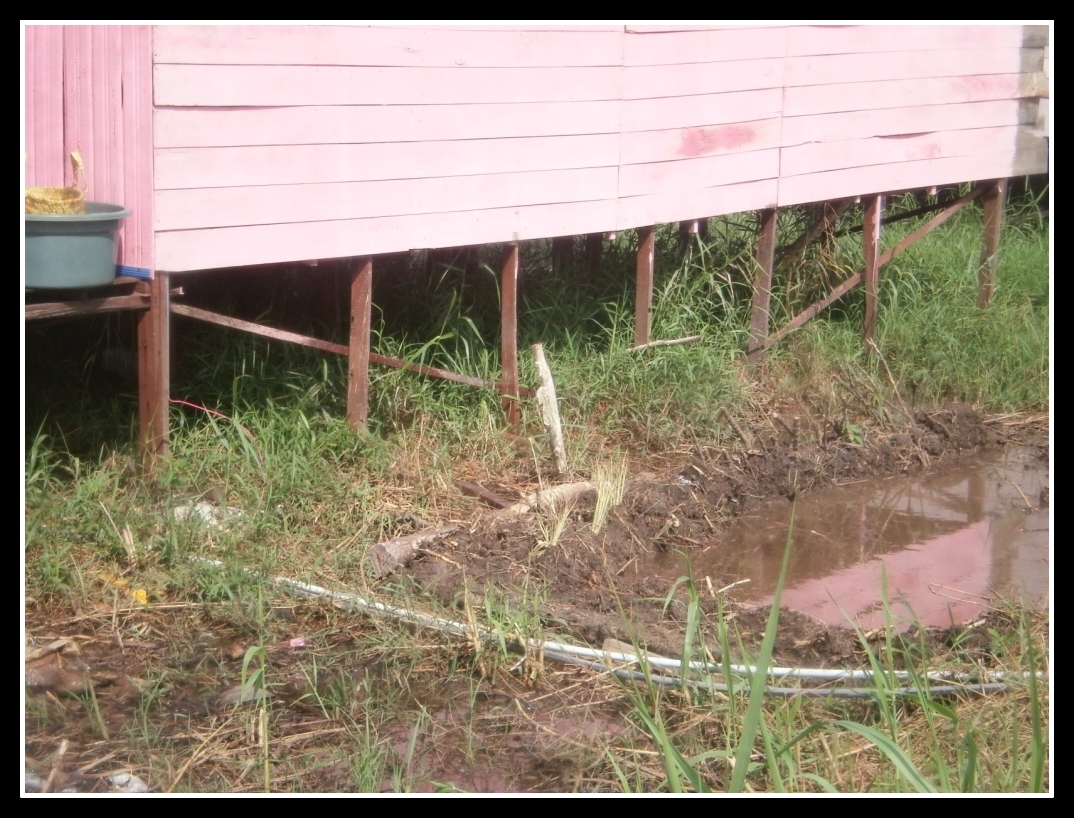
beberapa contoh perumahan dengan pemamfaatan air sungai :
beberapa contoh perumahan dengan pemamfaatan air sungai :
 |
| SUNGAI YANG BAIK ADA RUMPUT DI PINGGIRNYA |
 |
| RAWA DI SEKITAR RUMAH PENDUDUK |
 |
| PIPA AIR KE RUMAH PENDUDUK |
 |
| JERNIH NYA SUNGAI INI |
 |
| PIPA AIR KE RUMAH PENDUDUK |
 |
| PIPA AIR KE RUMAH PENDUDUK : SEMOGA PURE IT BISA MEMBANTU PEMBELIAN PIPA AIR BAGI MASYARAKAT TIDAK MAMPU |
 |
| JAMBAN TEMPAT MENGAMBIL AIR : BUKAN TOILET ATAU TEMPAT SAMPAH |
 |
| SUNGAI DENGAN PIPA SALURAN AIR |
 |
| SUNGAI YANG BAIK : BUKAN TEMPAT SAMPAH |
 |
| SELANG PIPA AIR UNTUK MENGALIRKAN AIR SUNGAI |
 |
| SUMUR DENGAN SIMPANAN AIR SUNGAI : |
 |
| SUMUR DENGAN SIMPANAN AIR SUNGAI |
 |
| JANGAN SAMPAI SUNGAI INDONESIA JADI WC TOILET TERPANJANG DI DUNIA DAN BAK SAMPAH TERBESAR DI DUNIA |
Sabtu, 15 Desember 2012
History of fall-samba
 |
| History of fall-samba |
In the 14th century Katingan region is one of the Majapahit empire as mentioned in Kakawin Nagarakretagama written in 1365. Katingan river name derived from the name contained in the upstream areas of the river, the area Katingan (Kasongan). Later emerging new areas downstream, ie Mendawai.
According to the Tale of Banjar, Katingan region is included in the territory of the kingdom of Banjar-Hindu (State Dipa) since government Gastric Mangkurat with the westernmost border territory in Tanjung Puting. Region when it consisted of two sakai (regions), ie Katingan Mendawai and each has its own chieftain called Sakai Minister, later in the 17th century during the reign of Sultan Banjar IV, Marhum Panembahan (King Maruhum) , region-Katingan Mendawai is one area that was given to his son Prince Dipati Anta-Kasuma who became duke / king Kotawaringin replace Dipati Ngganding law that territory covers Central Kalimantan today.
According to reports Radermacher, regional head Mendawai / Katingan in 1780 was Kyai Ingabei Suradi Kingdom. On August 13, 1787, the district has been submitted Sultan Katingan Tahmidullah II the Dutch VOC, then this area is developed into a District, the District Mandawai appointed as head of the district (Kiai) is Demat Anoem Tjakra In otherwise known as Demat Anggen, constituted by Governor of the Dutch East Indies on January 10, 1895 and headed the area Mandawai (Districtshoofd van Mandawai, Afdeeling Sampit, residentje Zuider en.
from: SAMBAGOSAMBA
Sabtu, 08 Desember 2012
History cascade mangkikit
 |
| cascade mangkikit |
mangkikit cascade called the cascade because there is a cascade of very heavy and a lot of rocks are very large even for the past aja we must be extra careful when going ga our boats capsize or sink?
Mangkikit cascade called the name of it according to the story the ancient people there is a very small village and a very handsome young man named mangkikit he lives with his wife, a very beautiful girl at a farewell mangkikit same when his wife told him to go hunt him not to mangkikit wife out of the village but ignored what is arguably the husband turned out to be violated by him so that there was a disaster that befell her, so came a very handsome young man dressed in fancy mangkikit wife did not know the origin of these young lads without strings attached directly mangkikit wife greets his wife unconscious and without mangkikit drift made by the young man and his wife carrying mangkikit entered the river and disappeared without a trace, a few days later mangkikit came from hunting and seemed surprised to see the wife does not welcome him heart mangkikit wondered to myself where the hell his wife, mangkikit without any strings attached directly to find a wife in all the villages nearby but did not see well until one day come was a little boy approached him saying that his wife had been taken by a very handsome young man into the water. mangkikit without thinking too straight into the water, where the young man took his wife away ......................? so many newspaper stories.
 |
| Gutus BarichoThe Dayak United |
until today what the true story is a lie, but most parents tell me that in the past the cascade mangkikit there is a cave, there is even a grandfather who told me that he never fished in a cascade mangkikit got a very large fish, and its shape is also very strange and the grandfather unknowingly release the fish back into the water .......................
Posted by Perry Adison from : SAMBAGOSAMBA
Selasa, 04 Desember 2012
Did you know? Orangutan Also turns midlife crisis
Humans are not the only creatures who experience a sense of happiness-related disorders in midlife (commonly often called a midlife crisis), primates were apparently experiencing the same thing. According to a recent report from the Proceedings of the National Academy (PNAS), from a study of about 500 large primates (ie 336 chimpanzees and orangutans 172) note that the pattern of mid-life crisis who are also experienced primates, with similar symptoms as humans.

But that does not mean these primates also negatively what do middle-aged men, for example, dress more smartly, or a flirtatious glance at the young girl. Primate behavior change is more on the pattern of increasing happiness at a young age, and then decreased in middle age, and increased again in old age.
"We hope to understand the pieces of scientific information related to this case, why human happiness follows a U-shaped curve in their lives? Humans have shown that happiness is not related to the affairs of mere money, breaking of a marriage, business mobile phones, or other extra things in life. The same is true for large primates, which can not reveal this and certainly unrelated extra things like a man, "said one of the study's authors, Andrew J. Oswald in their media release.
The experts interviewed zoo keepers, volunteers and researchers are also working closely as possible with the orangutans and chimpanzees to examine their lives. By using a questionnaire that has been modified to primates, the researchers found that primates decreased sense of ease and happy at the end of the twenties and early thirties, compared to men who experienced it at the age between 45 to 50 years. In this questionnaire submitted questions about mood, pleasure in socializing, and how they feel the satisfaction of achieving their goals.
"The results that we obtain show that the curve decreased happiness in middle age not only of humans, although it is very different from the aspect of human life and society, but this proves that humans are biologically the same share with primates," said experts. "These findings have broad implications in science and social science point of view, and can help how to enhance a sense of happiness for humans and primates."
The experts themselves do not fully understand why this cycle appears, but in the later theory was that the changes in the brain at middle age, and cause-penyabab evolutive other, affecting the happiness in youth and old age.
"Individuals either young or old age, can experience satisfaction in life stages, where they have fewer resources to develop themselves, and will be less likely to fight back the situation that could harm them or their relatives," said the expert,
CITATION: Alexander Weiss, James E. King, Miho Inoue-Murayama, Tetsuro Matsuzawa, Andrew J. Oswald. Evidence for a midlife crisis in great apes consistent with the U-shape in human well-being. PNAS. 2012.
Sources: : mongabay
Langganan:
Postingan (Atom)